Darknet Markets 2026:
The dark web is part of the deep web but is built on darknets: overlay networks that sit on the internet but which can't be accessed without special tools or software like Tor. Tor is an anonymizing software tool that stands for The Onion Router — you can use the Tor network via Tor Browser.
| Darknet Market | Established | Total Listings | Link |
|---|---|---|---|
| TorZon Market | 2022 | 140+ | Onion Link |
| Nexus Market | 2024 | 600+ | Onion Link |
| Abacus Market | 2022 | 100+ | Onion Link |
| Ares | 2026 | 100+ | Onion Link |
| Cocorico | 2023 | 110+ | Onion Link |
Updated 2026-10-26
How Onion Sites Build Safe Darknet Markets
Onion sites establish secure marketplaces by leveraging the Tor network's core architecture. This system routes all communication through multiple encrypted layers, similar to an onion, which obscures both the user's location and the site's server location. This anonymity is fundamental, preventing external observation of the connection between buyer and seller. The marketplace itself operates as a platform that facilitates transactions without holding user funds directly until a deal is confirmed, which reduces the risk of exit scams.
Transactions are conducted using cryptocurrencies like Bitcoin or Monero. These currencies provide a level of financial privacy because they are not tied to traditional banking identities. Monero offers enhanced privacy features by obfuscating transaction details on its blockchain. The combination of the Tor network for connection anonymity and cryptocurrency for financial anonymity creates a robust framework for private commerce.
Marketplace security is further reinforced by internal systems:
- Vendor verification processes require sellers to prove reliability before listing goods.
- All communications and order details are protected with end-to-end encryption, meaning only the intended buyer and seller can read the messages.
- Listings and user profiles exist only within the encrypted environment of the onion site, leaving no public footprint.
How Encryption and Crypto Keep Darknet Trade Private
The operational security of a darknet marketplace is built on two foundational technologies: end-to-end encryption and cryptocurrency transactions. These systems work in tandem to separate a user's identity from their activity, creating a layer of privacy that is difficult to compromise.
All communication between a buyer and a vendor is secured with encryption. This means messages are scrambled and can only be read by the intended recipient. It protects the content of conversations, shipping details, and other sensitive data from interception. This protocol is automatic and integral to the platform's design.
Financial privacy is achieved through cryptocurrencies like Bitcoin and Monero. These digital currencies facilitate transactions without needing traditional banking details.
Monero offers enhanced privacy features by obfuscating transaction amounts and participant addresses on its blockchain. The process is straightforward:
- A buyer funds their marketplace account wallet.
- Funds are placed into a multisignature escrow system upon purchase.
- Only after the buyer confirms receipt does the vendor receive the payment.
This model ensures that financial transfers are not directly linked to a person's real-world identity. The combination of encrypted communication and cryptocurrency payment forms a robust framework for private commerce, allowing the darknet economy to function based on transactional trust rather than personal identification.
How Escrow Makes Darknet Trade Safe
The escrow system is a fundamental mechanism for enabling secure transactions on the darknet. It functions as a neutral third-party service that holds the buyer's cryptocurrency payment until the ordered goods are delivered and confirmed. This process directly addresses the inherent lack of trust in anonymous environments by removing the incentive for either party to defraud the other.
A vendor does not receive payment until they fulfill their obligation, while a buyer's funds remain protected until they are satisfied. The escrow service, typically automated by the marketplace platform, releases the funds to the vendor only after the buyer finalizes the order. In cases of dispute, most platforms provide a moderation system where evidence, such as shipping proof or product photos, can be reviewed. This structured approach transforms a potentially risky anonymous trade into a verifiable and secure exchange.
The reliability of escrow is a primary factor in a marketplace's reputation. Users consistently migrate to platforms that demonstrate consistent and fair arbitration. This creates a self-reinforcing cycle where reputable vendors and cautious buyers are drawn to the same secure ecosystems, fostering stable and functional economic activity. The escrow model effectively decentralizes trust, placing it in a transparent and automated protocol rather than requiring personal faith in an unknown individual.

How Feedback Builds Trust and Quality on Darknet Markets
The feedback system is the primary mechanism for establishing trust and safety on a darknet marketplace. It functions as a decentralized form of quality control, where every transaction contributes to a vendor's public reputation. A vendor's profile displays their overall rating, total number of sales, and detailed comments from previous buyers. This transparency allows new users to make informed decisions based on collective experience rather than marketing claims.
Positive feedback serves as a powerful incentive for vendors to maintain high standards. Sellers with consistently high ratings and many completed transactions are labeled as trusted or established, which directly translates into more business. The system naturally promotes reliable vendors to the top of search results. Conversely, a pattern of negative reviews regarding product quality, shipping times, or communication will severely damage a seller's standing, effectively marginalizing them within the marketplace economy.
The practical application of this system for a buyer involves a specific analytical approach:
- Examining the vendor's historical data, looking for a long track record of positive feedback.
- Reading recent reviews to confirm consistency in product potency and stealth packaging.
- Noting how the vendor responds to any neutral or negative feedback, as this indicates their professionalism and commitment to dispute resolution.
This user-generated verification creates a self-regulating environment. The financial incentive to preserve a high reputation aligns the vendor's goals with the buyer's desire for a safe, predictable transaction. The feedback loop ensures that quality and safety are not abstract concepts but measurable, crowd-verified attributes tied directly to a vendor's commercial success.
A Wide Selection of Quality Products on the Darknet
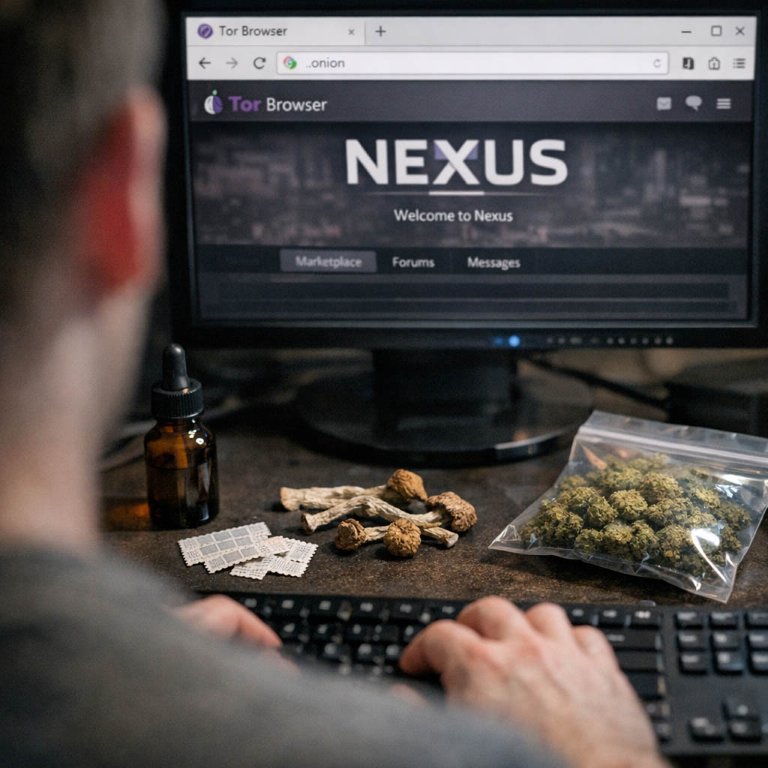
The product diversity on darknet marketplaces is a direct reflection of user demand, creating a specialized ecosystem. These platforms function as comprehensive digital pharmacies, offering substances that range from prescription medications like benzodiazepines and stimulants to recreational drugs such as MDMA, LSD, and cannabis in various forms. The catalog is meticulously organized, often featuring:
- Detailed product descriptions with expected effects and dosages.
- Information on substance purity and laboratory testing results.
- Clear origin or cultivation methods for plant-based products.
This level of detail surpasses the uncertainty of street-level purchases. Vendors compete on quality and reliability, leading to a market where standardized products are the norm. The availability extends to niche and research chemicals, providing options for specific user interests. This variety is sustained by a feedback-driven economy, where seller reputation depends on consistent product quality, ensuring that the available range meets precise and evolving consumer expectations.
How Darknet Reviews Build Trust for Buyers
User reviews on darknet marketplaces function as a decentralized quality assurance system. They provide prospective buyers with crowdsourced verification of a vendor's product and service. A product listing with numerous positive reviews carries significantly more weight than a vendor's own description.
The review process typically involves several scored criteria:
- Product quality: Matching the advertised purity, weight, or strain.
- Stealth and packaging: Effectiveness of concealment methods.
- Shipping speed: Adherence to expected delivery timelines.
- Communication: Vendor responsiveness and professionalism.
This multi-factor feedback creates a transparent reputation metric. Vendors with consistently high ratings and detailed positive reviews establish trust, allowing them to build a sustainable business. Conversely, negative reviews for underweight products, misrepresented items, or poor stealth serve as immediate risk indicators for the community, often leading to a vendor's loss of standing or removal via marketplace moderation.
The system incentivizes honest transactions. Buyers are motivated to leave accurate feedback to maintain their own member standing, while vendors rely on positive reviews for future sales. This creates a self-regulating environment where peer evaluation directly guides purchasing decisions, reducing uncertainty and fostering a more reliable marketplace economy.
How User Demand Builds a Better Darknet Market
The darknet marketplace operates as a demand-driven economy. User activity directly dictates the available products, their pricing, and the evolution of vendor services. This is not a static system but a dynamic one, shaped by collective purchasing decisions and feedback.
When a significant number of users seek a specific substance, vendors respond by sourcing and listing it. This supply follows demand mechanism ensures market variety and availability. Competition among vendors for this demand leads to price stabilization and often a reduction in cost for the buyer, as sellers compete on value.
The economy is further refined by user reviews and forum discussions. Popular and reliable vendors see increased sales, which incentivizes all sellers to maintain high standards of product quality and customer service. Poor-quality listings or dishonest vendors are economically marginalized through negative feedback, which reduces their sales. This creates a self-regulating environment where economic success is tied directly to trust and satisfaction.
The entire cycle is facilitated by cryptocurrency, which acts as the native currency of this economy. Its use allows for seamless, borderless transactions that are integral to the market's function. The result is a resilient, user-centric economic model that efficiently allocates resources based on demonstrated preference and sustains itself through continuous transaction cycles.

How Darknet Markets Build Trust and Quality
The marketplace model on the darknet achieves integrity through a self-regulating system built on transparency and mutual interest. This system aligns the goals of vendors and buyers, creating a stable environment for commerce. A vendor's success depends directly on their ability to deliver quality products and maintain reliable service, as this generates positive feedback.
The feedback and review system is the cornerstone of this integrity. Every transaction can be rated and described, creating a permanent record of a vendor's performance. Buyers rely on this accumulated data to make informed decisions, which naturally promotes honest vendors and marginalizes those who are unreliable. This organic reputation mechanism functions more immediately and transparently than many traditional retail systems.
Financial security is enforced by the multisignature escrow system. Funds for a transaction are held in a secure wallet requiring more than one key to release. Typically, the buyer, vendor, and marketplace moderator each hold a key. The funds are only released when the buyer confirms satisfactory receipt of the product. This removes the risk of scams where a vendor might take payment and not ship items, or where a buyer might falsely claim non-receipt. It places a trusted third party into the transaction without that party ever holding the funds directly.
The entire economy is demand-driven. The range of available products exists solely because a user base seeks them. This direct economic relationship ensures that marketplaces evolve to meet user needs for quality, safety, and discretion. Vendors compete on:
- product purity and consistency,
- stealth and security of packaging,
- customer service and communication.
This competition, visible through reviews, raises standards across the platform. The model's integrity is not imposed by external rules but emerges from the combined use of cryptography for communication, cryptocurrency for private payment, and crowdsourced reputation for quality control. These components work together to create a functional, self-sustaining commercial ecosystem where trust is verifiable and built incrementally with each successful transaction.