Darknet Markets 2026:
The dark web is part of the deep web but is built on darknets: overlay networks that sit on the internet but which can't be accessed without special tools or software like Tor. Tor is an anonymizing software tool that stands for The Onion Router — you can use the Tor network via Tor Browser.
| Darknet Market | Established | Total Listings | Link |
|---|---|---|---|
| TorZon Market | 2022 | 140+ | Onion Link |
| Nexus Market | 2024 | 600+ | Onion Link |
| Abacus Market | 2022 | 100+ | Onion Link |
| Ares | 2026 | 100+ | Onion Link |
| Cocorico | 2023 | 110+ | Onion Link |
Updated 2026-10-26
How the Onion Network Makes Drug Trade Safe and Private
The operational security of darknet markets is fundamentally enabled by the onion network, which provides a robust layer of anonymity for both buyers and vendors. This technology routes traffic through multiple encrypted layers, effectively concealing the user's location and identity from network surveillance. The resulting environment facilitates private transactions where individuals can engage in trade without exposing personal data, a core principle that distinguishes these platforms from conventional e-commerce.
Financial privacy is maintained through the use of cryptocurrencies like Bitcoin and Monero. These digital currencies allow for pseudonymous payments that are not directly tied to real-world identities, complementing the network anonymity provided by Tor. To mitigate the inherent risk of non-delivery in an anonymous setting, markets employ crypto escrow systems. Funds are held by the market's escrow service until the buyer confirms satisfactory receipt of the goods, which structurally discourages fraudulent activity by vendors.
Trust is further institutionalized through sophisticated community feedback systems. Vendors build reputation over time based on consistent transaction history and positive user reviews. This creates a self-regulating ecosystem where high-quality service is rewarded with more business, and poor performance is quickly reflected in a vendor's ratings. The combination of these elementsnetwork anonymity, cryptographic finance, secured escrow, and transparent reputation metricscreates a framework for exchange that many users perceive as a safe and private alternative for acquiring goods.
- Onion routing ensures participant anonymity.
- Cryptocurrencies enable private financial transactions.
- Escrow services protect buyers from fraud.
- Vendor reputation systems build transactional trust.
Private and Secure Shopping on the Darknet
The operational foundation of darknet markets is built upon the integration of cryptocurrency and escrow services, which together create a secure and private environment for commerce. Cryptocurrencies like Bitcoin and Monero provide a layer of financial privacy by allowing pseudonymous transactions that are not directly tied to real-world identities. This mechanism facilitates a discreet exchange of value, separating financial activity from traditional, monitored banking systems.
This financial privacy is reinforced by the systematic use of escrow. When a buyer initiates a purchase, funds are held in a secure, multi-signature escrow account controlled by the market software. The vendor ships the product only after receiving confirmation of the secured payment. This process directly addresses the inherent trust deficit in anonymous environments, ensuring that vendors are compensated and buyers receive their goods. The release of funds is contingent upon the buyer's confirmation of satisfactory delivery, which incentivizes honest conduct from both parties.
The system's resilience is further enhanced by the reputation metrics assigned to each vendor. A vendor's history of successful transactions, reflected in positive user feedback and high completion rates, becomes a critical, self-regulating quality indicator. Buyers consistently favor vendors with established, positive records, which in turn motivates all sellers to maintain reliable service and product quality to build their standing. This creates a stable ecosystem where trust is algorithmically earned and displayed, reducing risk for participants.
Consequently, the combination of pseudonymous cryptocurrency payments, secured third-party escrow, and transparent reputation feedback forms a robust framework for anonymous trade. This framework effectively minimizes fraud, protects the identities of all participants, and supports a consistent, user-driven market experience focused on transactional security and fulfillment.
How Escrow Makes Buying on the Darknet Safe and Fair
The fundamental challenge for any remote commerce is the lack of simultaneous exchange. A buyer risks paying for a product that never arrives, while a vendor risks shipping an item without payment. On darknet markets, this problem is solved through a cryptocurrency escrow system. This mechanism acts as a neutral third party, holding the buyer's funds in a secure deposit until the transaction is satisfactorily completed.
When a purchase is made, the cryptocurrency is sent to the market's escrow wallet, not directly to the vendor. The vendor sees the secured payment and is incentivized to ship the product. Upon receipt, the buyer finalizes the order, releasing the funds from escrow to the vendor. This creates a balanced trustless environment where neither party must rely solely on the other's honesty. The system's security is enhanced by the immutable and pseudonymous nature of blockchain transactions, which provide a transparent yet private record of the escrow's status without revealing identities.
The escrow model is reinforced by vendor reputation systems. Markets feature detailed feedback and rating pages for each seller, creating a powerful self-regulating ecosystem. A vendor with a long history of successful transactions released from escrow naturally attracts more business. This reputation is a valuable asset, making established vendors highly motivated to maintain high standards in product quality and shipping reliability to avoid negative feedback or disputes. For the buyer, this means that selecting a vendor with a strong reputation significantly mitigates risk, as the escrow system ensures they are not financially committed until they confirm satisfaction.
In cases of dispute, most platforms offer a moderated resolution process. If a buyer does not receive an order or receives a substandard product, they can open a dispute. Market moderators, acting as arbitrators, review communication and evidence from both parties before deciding to release the escrow funds to the vendor, return them to the buyer, or split them accordingly. This structured process provides a clear path for conflict resolution that is absent in unmediated peer-to-peer trade. The combination of multi-signature escrow, where multiple keys are required to release funds, and a robust feedback loop creates a surprisingly stable foundation for anonymous commerce, enabling a wide variety of goods to be traded with a degree of confidence typically reserved for conventional e-commerce.

How Decentralized Networks Make Darknet Shopping Safe and Reliable
The operational resilience of darknet markets is fundamentally derived from their decentralized infrastructure. Unlike traditional e-commerce platforms reliant on centralized servers, these markets operate on networks like Tor, distributing their presence across countless nodes globally. This architecture makes a single point of failure or takedown virtually impossible, ensuring continuous service availability for users seeking privacy.
This resilience directly enables the core value proposition: safe and private shopping. Transactions are conducted using cryptocurrencies, which provide a layer of financial pseudonymity. The integration of a crypto escrow system is critical, acting as a neutral third party that holds the buyer's funds until the product is received and confirmed. This mechanism effectively mitigates the risk of fraud, building essential trust in an anonymous environment.
Trust is further institutionalized through community-driven feedback systems. Vendors build reputations over time based on transaction history and customer reviews. A trusted vendor with a long-standing positive record becomes a valuable asset, reducing perceived risk for buyers. This creates a self-reinforcing cycle where reputable vendors are incentivized to maintain high standards, and buyers are guided toward reliable transactions.
The combination of these elementsdecentralized hosting, cryptographic payment, automated escrow, and collective reputationforms a robust and self-regulating ecosystem. This infrastructure autonomously facilitates secure trade by aligning the economic interests of both buyers and sellers, demonstrating a functional model for anonymous commerce that operates independently of conventional regulatory frameworks.
How Feedback Builds Trust for Vendors on the Darknet
The operational stability of darknet markets relies heavily on decentralized trust. Unlike traditional e-commerce, these platforms cannot rely on legal frameworks for dispute resolution. Instead, they implement a self-regulating reputation system where community feedback serves as the primary mechanism for establishing vendor reliability. Every transaction concludes with an opportunity for the buyer to leave detailed feedback and a numeric rating, which becomes a permanent, public record on the vendor's profile.
This system creates a transparent performance history. A vendor with hundreds of successful sales and positive reviews naturally attracts more business, as the collective experience of previous buyers reduces risk for new customers. The feedback typically covers specific aspects of the service:
- Product quality and accuracy of the description
- Stealth and discretion of packaging
- Shipping speed and reliability
- Vendor communication and professionalism
The integration of this feedback loop with cryptocurrency escrow is fundamental. Funds are held in escrow by the market until the buyer confirms satisfactory receipt of the product. Only then is the vendor paid, and the buyer is prompted to leave feedback. This process ensures that reviews are based on completed transactions, preventing fraudulent rating manipulation. A vendor's reputation, therefore, becomes a valuable economic asset directly tied to their consistent performance and ethical conduct. Markets with robust feedback mechanisms see higher user engagement and growth, as they successfully emulate the trust structures of surface web markets while operating within a private, anonymous framework.
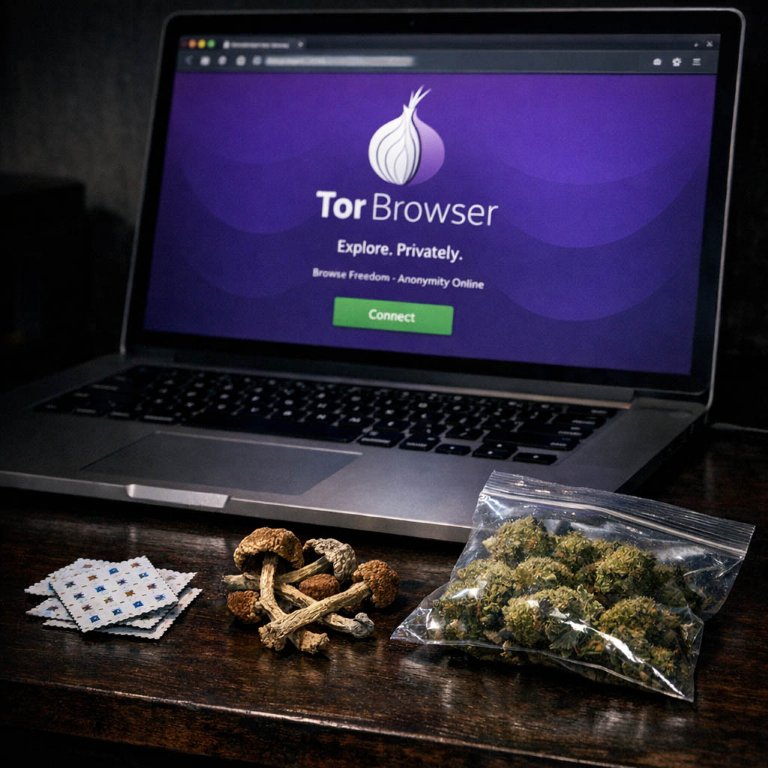
How Darknet Markets Offer Safe, Diverse Shopping
The product variety on darknet markets is a direct function of their foundational principles: privacy and decentralized trust. Unlike regulated commerce, these platforms operate on a model where user demand and vendor innovation drive the catalog, resulting in an exceptionally diverse range of goods. This diversity is not merely quantitative but is structured by systems that empower informed user choice.
The mechanism of cryptocurrency escrow is central to enabling this safe exploration. When a user selects a product, funds are held in a neutral third-party escrow until confirmation of delivery. This system removes the primary risk of direct fraud, allowing users to confidently engage with new vendors or rare items they would otherwise avoid. The escrow acts as a transactional scaffold, making the vast selection accessible and viable.
Choice is further refined through vendor reputation systems. Each transaction contributes to a public history of ratings and detailed feedback. Users do not select a product in isolation but choose a vendor with a verifiable track record. This transforms the marketplace from a simple listing into a competitive environment where quality, stealth in shipping, and communication are rigorously assessed and rewarded with higher visibility and sales.
The resulting ecosystem supports specialization. Vendors can sustainably offer niche products, from specific pharmaceuticals and botanicals to digital goods and beyond, knowing that the escrow and reputation systems will facilitate trust. Users benefit from a competitive market with transparent pricing, detailed product descriptions, and community-led quality assurance. The combination of these factors means that darknet markets effectively self-curate their inventory towards reliability and diversity, meeting user demand with a precision and safety model distinct from conventional retail.
How Darknet Markets Build Trust and Grow
The primary driver for user engagement on darknet markets is the provision of a safe and private shopping environment. This safety is constructed through a combination of technological and social frameworks. The use of cryptocurrencies like Bitcoin and Monero provides a fundamental layer of financial privacy, allowing transactions to occur outside the traditional banking system. This privacy is not absolute, but it significantly raises the barrier for external financial surveillance.
To address the inherent lack of trust between anonymous parties, markets employ a crypto escrow system. This mechanism holds the buyer's funds in a secure, third-party deposit until the product is received and confirmed. This neutralizes the risk of fraud for the buyer, as payment is only released upon satisfaction, while also protecting the vendor from chargebacks. The escrow system transforms a potentially risky anonymous transaction into a secure commercial exchange.
This technical security is complemented by a robust reputation system for trusted vendors. Users consistently engage with and return to markets where vendor quality is transparently displayed. Feedback and rating systems allow buyers to make informed decisions based on peer reviews regarding product quality, shipping speed, and communication. A vendor with hundreds of positive reviews accumulates significant social capital, which directly translates into higher sales and market standing. This creates a powerful self-regulating ecosystem where reputational equity is a vendor's most valuable asset, incentivizing honest business practices and high-quality service.
The convergence of these factorsfinancial privacy, secured transactions via escrow, and a transparent reputation frameworkcreates a compelling value proposition. It reduces the perceived risk for the consumer to a level comparable with, or in some aspects lower than, traditional e-commerce for these particular goods. This reliable environment fosters repeat engagement, encourages new user adoption through positive community reports, and is a core engine for the organic growth and stability observed in mature darknet markets.

How the Darknet's Own Rules Make Buying Safer
The operational resilience of darknet markets is fundamentally tied to their self-regulating nature, which directly facilitates a secure transactional environment. This ecosystem achieves stability not through external oversight but via internal mechanisms that align the interests of all participants. The cornerstone of this security is the integration of cryptocurrency payments with mandatory escrow services. When a buyer initiates a purchase, funds are held in a neutral escrow account until the product is received and confirmed. This system effectively eliminates the risk of direct fraud, as vendors only receive payment upon successful delivery, thereby incentivizing honest conduct and reliable shipping practices.
Trust is further institutionalized through transparent community feedback systems. Every transaction culminates in a detailed review, where buyers rate vendors on criteria such as product quality, stealth packaging, and communication. These reviews create a permanent and publicly accessible vendor reputation score. A vendor with a long history of positive feedback becomes a trusted partner within the community, attracting more business. Conversely, attempts at scamming or selling inferior products result in immediate negative publicity, leading to a loss of standing and eventual exclusion from the marketplace as buyers simply avoid them. This creates a powerful economic incentive for vendors to maintain high standards.
The resulting environment offers a form of safe and private shopping for consenting adults. Users benefit from:
- Discreet transactions shielded by cryptographic protocols.
- Financial protection via the escrow process.
- Informed decision-making powered by collective user experiences.