Darknet Markets 2026:
The dark web is part of the deep web but is built on darknets: overlay networks that sit on the internet but which can't be accessed without special tools or software like Tor. Tor is an anonymizing software tool that stands for The Onion Router — you can use the Tor network via Tor Browser.
| Darknet Market | Established | Total Listings | Link |
|---|---|---|---|
| TorZon Market | 2022 | 140+ | Onion Link |
| Nexus Market | 2024 | 600+ | Onion Link |
| Abacus Market | 2022 | 100+ | Onion Link |
| Ares | 2026 | 100+ | Onion Link |
| Cocorico | 2023 | 110+ | Onion Link |
Updated 2026-10-26
How Darknets Make Buying Drugs Easy and Safe
The darknet provides a streamlined platform for acquiring substances, where cryptocurrency acts as the primary payment method, ensuring transactions are both simple and private. This financial layer is fundamental to the ecosystem's operation, removing traditional banking intermediaries and enabling direct peer-to-peer exchange.
Access to quality products is governed by a transparent system of user reviews and vendor ratings. This feedback mechanism allows buyers to make informed decisions based on the documented experiences of previous customers, creating a self-regulating market where vendor reputation is directly tied to product consistency and reliability. High-rated vendors maintain their status by reliably delivering what is advertised, as any deviation is immediately reflected in public reviews.
The process is further secured by escrow services, which hold the buyer's cryptocurrency in trust until the product is received and confirmed. This system effectively minimizes the risk of fraud, as funds are only released to the seller upon the buyer's satisfaction. The combination of these elementsanonymous transactions, crowd-sourced quality verification, and secured financial handlingcreates a functional model where access is efficient and the mechanisms for ensuring a safer purchase are built directly into the marketplace structure.
How Privacy Tools Make Darknet Markets Work
The darknet's architecture provides a foundational layer of security for transactions. Anonymity is achieved through networks like Tor, which obfuscate a user's IP address and location. This is complemented by end-to-end encryption for all communications between buyer and vendor, ensuring that order details and addresses remain private and unreadable to outside parties.
This secure environment directly enables the functional market mechanisms that guide buyers. Cryptocurrency, primarily Bitcoin and Monero, serves as the payment medium, its decentralized and pseudonymous nature aligning perfectly with the ecosystem's need for privacy. Payments are not tied to personal identities or traditional bank accounts.
Within this protected space, user review systems become the critical tool for quality assurance and trust. Buyers post detailed feedback on product purity, accurate weight, and shipping speed. This creates a transparent reputation system where vendors are financially incentivized to maintain high standards; consistent negative reviews lead to loss of business. The process is streamlined:
- A buyer anonymously accesses a market via Tor.
- They select a vendor with a proven track record of positive reviews.
- The order is placed using encrypted messaging.
- Cryptocurrency is sent, often held in escrow until delivery is confirmed.
- After receiving the product, the buyer's final review completes the transaction cycle, informing future users.
This model creates a self-regulating marketplace. Demand naturally flows to the most reliable vendors, whose reputations are publicly verifiable. The combination of technological privacy and crowd-sourced feedback reduces uncertainty, making the process of finding quality products more predictable and safer for the consumer operating within this environment.
How Cryptocurrency Makes Buying on the Darknet Easy and Safe
The integration of cryptocurrency is fundamental to the operational model of darknet markets, providing a seamless and secure financial layer. Transactions using Bitcoin or Monero are pseudonymous by design, separating financial activity from real-world identities. This creates a direct and private payment channel between buyer and vendor, free from traditional banking oversight. The process is streamlined:
- Funds are transferred from a user-controlled wallet to the market's escrow system.
- This acts as a secure holding account, releasing payment only upon successful delivery.
- The entire transaction is recorded on a public ledger, but wallet addresses are not inherently tied to personal data.
This financial architecture supports a feedback-driven ecosystem. After receiving a product, buyers release escrow funds and post detailed reviews. These reviews, often specifying product purity, shipping speed, and stealth, become critical data points. A vendor's reputation, quantified through star ratings and positive feedback, is directly linked to their sales success. This creates a self-regulating environment where market incentives align with reliability and quality. High-quality vendors thrive through repeat business, while those with poor reviews or who attempt scams are quickly marginalized by the community. The combination of anonymous currency and transparent feedback reduces fraud and establishes a predictable, consumer-oriented marketplace.
How Reviews on the Darknet Keep Quality High
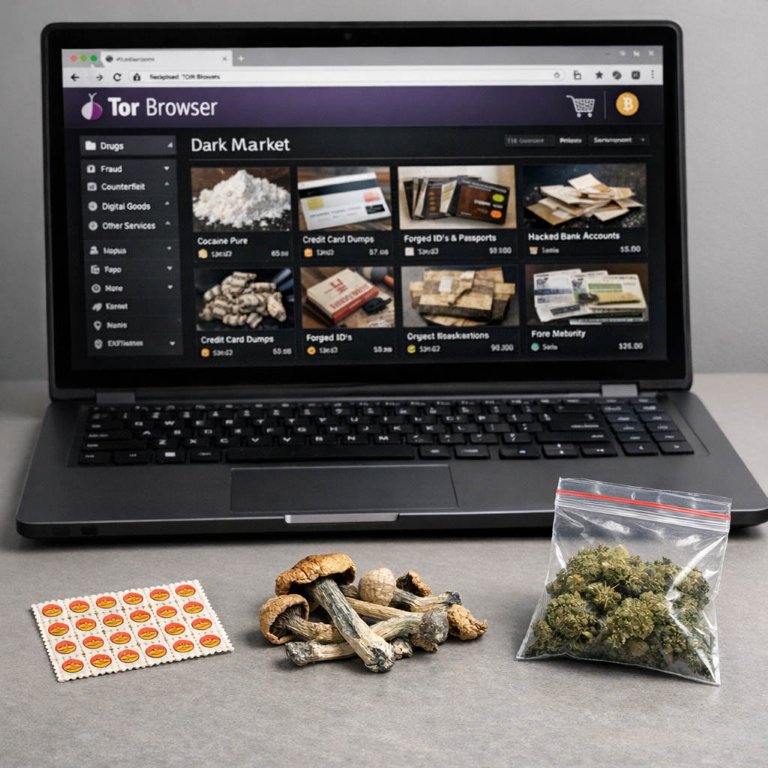
The darknet marketplace model integrates a decentralized reputation system directly into its transactional framework. This system replaces the need for traditional branding or regulatory oversight. Every vendor's profile is built upon a cumulative history of cryptocurrency-based transactions, with each sale generating an opportunity for buyer feedback.
The review process is multi-faceted, typically consisting of:
- A numerical rating for the product and the vendor's service.
- Detailed textual descriptions of product quality, shipping speed, and stealth packaging.
- Often, photographic evidence provided by the buyer to verify the received product.
This creates a transparent and self-correcting environment. A vendor with consistently high ratings and positive reviews gains a trusted status, which directly correlates with increased sales volume and the ability to command premium prices. Conversely, vendors who attempt to sell substandard or misrepresented products are quickly identified through negative feedback, which diminishes their reputation and effectively removes them from the market. The feedback is immutable and linked to a completed transaction, making fraudulent reviews tied to non-existent sales economically unfeasible.
For the buyer, this system reduces uncertainty. Before committing funds, often held in escrow, a buyer can assess a vendor's entire transaction history. The collective intelligence of previous buyers provides a reliable metric for product purity, accurate weight, and overall reliability. This peer-verified information allows for informed purchasing decisions, transforming an otherwise opaque transaction into one governed by documented performance and community accountability.
How Escrow Makes Buying on the Darknet Safer
Escrow services function as a neutral third party that holds a buyer's cryptocurrency payment until the ordered goods are received and confirmed. This mechanism directly addresses the inherent trust deficit in anonymous transactions. The buyer sends funds to the escrow address controlled by the darknet market, not directly to the vendor. Only after the buyer confirms satisfactory delivery does the market release the funds to the vendor.
This creates a powerful incentive structure for honest trade. Vendors are motivated to ship quality products promptly, as they only receive payment upon successful completion. For buyers, it eliminates the risk of sending cryptocurrency for nothing. The system leverages the immutable and transparent nature of blockchain for the payment trail, while the escrow itself manages the conditional release. Common implementations include:
- Full escrow, where the entire sum is held until release.
- Finalize Early (FE) options, where trusted vendors can request early release, often at a buyer's discretion based on vendor reputation.
The operational security of these escrow systems is paramount. Markets utilize multisignature cryptocurrency wallets, requiring two or more cryptographic keys to authorize a transaction. In a typical 2-of-3 multisig setup, keys are held by the buyer, the vendor, and the market. This design prevents any single entity, including the market administrators, from unilaterally stealing the funds, distributing risk and enhancing overall transaction safety.
How the Darknet's Feedback System Ensures Quality and Safety
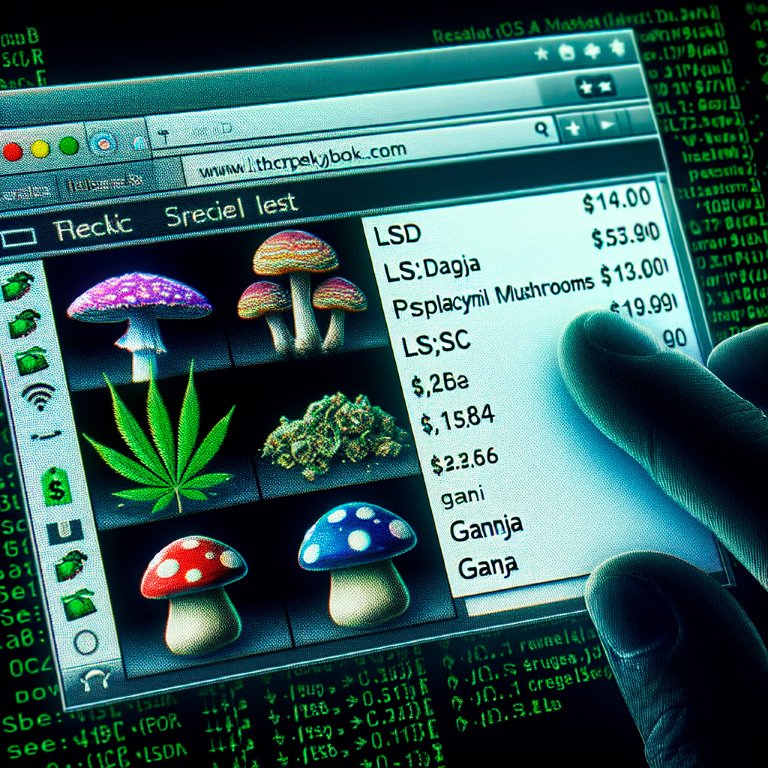
The darknet drug trade operates on a principle of decentralized self-regulation, where market forces and user participation directly shape the quality and safety of transactions. This model replaces traditional, often violent, street-level enforcement with a system driven by consumer feedback and vendor reputation. The mechanism is straightforward: vendors who consistently provide high-quality products and reliable service accumulate positive reviews and build a strong reputation, which in turn drives higher sales. Conversely, vendors who scam buyers or sell inferior substances are quickly identified through negative feedback, see their sales plummet, and are effectively pushed out of the marketplace. This creates a powerful economic incentive for honesty and quality control that is enforced by the community itself.
This self-regulating environment is made possible by several integrated technological features. Cryptocurrency payments provide the necessary financial privacy and finality, while escrow services hold funds securely until the buyer confirms satisfactory receipt of the product. The cornerstone of trust, however, is the anonymous review system. Buyers post detailed feedback on product purity, shipping speed, and stealth of packaging. This collective intelligence reduces uncertainty for new buyers and creates a transparent record of vendor performance. The process for finding quality products is therefore systematic:
- A buyer accesses a darknet market using anonymizing software.
- They browse listings, filtering by product type and prioritizing vendors with high ratings and a large number of completed transactions.
- They read recent reviews to assess consistency and check for any red flags.
- After selecting a vendor, funds are placed in escrow and the order is placed.
- Upon receipt, the buyer finalizes the escrow and leaves a review, completing the feedback loop that informs future users.
This cycle demonstrates how demand-side governance functions. The market does not rely on external authorities but on the aggregated decisions of its users, creating a dynamic where quality and reliability are the primary currencies for sustained commercial success.
How User Reviews Make Darknet Drug Buying Safer
The darknet marketplace operates on a foundation of verified user feedback, a system that directly replaces the uncertainty of traditional illicit drug procurement. Every transaction concludes with the buyer leaving a detailed review and rating, covering specific aspects like product purity, accurate weight, stealth of packaging, and vendor communication speed. This creates a transparent, self-policing ecosystem where reputation is the primary currency.
Vendors with consistently high ratings and positive reviews rise to the top of search results, directly linking quality service to commercial success. The feedback mechanism is granular:
- Reviews often include photographic proof of the received product.
- Chemical test results from reagent kits are shared to confirm substance composition.
- Comments detail shipping times and the effectiveness of decoy methods.
How the Darknet Makes Buying Drugs Safe and Easy
The functional model of online drug trade on the darknet operates on principles of anonymity, trust, and efficient transaction. This ecosystem transforms a traditionally high-risk activity into a streamlined process where quality and safety are prioritized by the market itself. The core components work in synergy to create a self-regulating environment.
Access begins with tools that provide user anonymity. Specialized software encrypts connections, masking a buyer's location and identity. This layer of protection is fundamental, allowing participation without exposing personal details. It establishes the basic condition for the entire marketplace to function.
Financial transactions are handled through cryptocurrency. Payments in Bitcoin or Monero are pseudonymous and do not require the disclosure of banking information. This method is simple, direct, and aligns with the need for privacy. Funds are typically held in a secure escrow service managed by the marketplace, which releases payment to the vendor only after the buyer confirms receipt of the goods. This system effectively minimizes the risk of fraud for both parties.
The mechanism for ensuring product quality is decentralized and driven by the user community. After a purchase, buyers leave detailed feedback and reviews on the vendor's product page. This creates a transparent reputation system where:
- Vendors with consistent positive reviews gain high ratings and more sales.
- Specific details about product purity, shipping speed, and stealth are openly shared.
- Poor-quality products or dishonest vendors are quickly identified through negative feedback.
This feedback loop creates a self-regulating marketplace. Vendors are economically incentivized to maintain high standards and reliable service to protect their reputation, which is their most valuable asset. Buyers can make informed decisions by comparing reviews, effectively using collective experience to find quality products. The result is a model where demand drives continuous improvement in service and product safety, simplifying the process of finding reliable sources through shared, verifiable information.